 Boston Workers Compensation Lawyer Blog


 One of the most stressful moments in a workers’ compensation case comes when an injured worker is told they need to “return to work”—often before they feel ready. Employers and insurers frequently push light-duty or modified work assignments, leaving workers confused about their rights and worried about losing benefits.
If you’ve been injured on the job, you may be asking:
Can my employer force me to return to light duty in Massachusetts?
The short answer is: No, not automatically—but refusing light duty can affect your workers’ compensation benefits if it is considered suitable work.
Understanding what counts as “suitable,” how insurers use light duty to reduce benefits, and how to respond can make a significant difference in your case.
What Is “Light Duty” in a Workers’ Compensation Case?
“Light duty” generally refers to modified work that is intended to accommodate your injury-related restrictions. This may include:
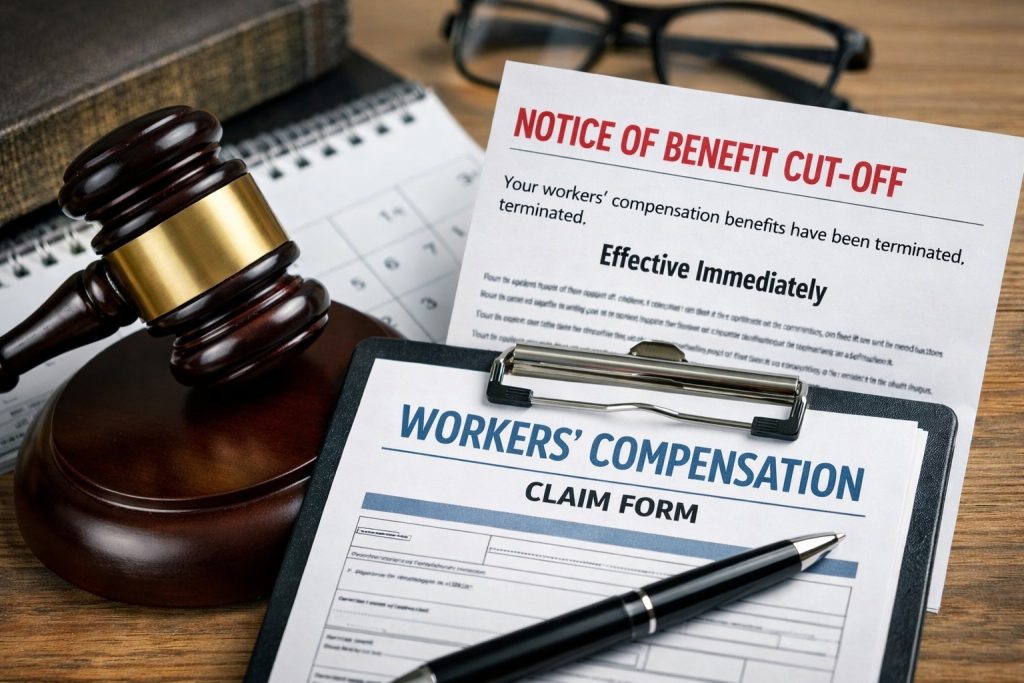 Few moments are more unsettling for an injured worker than discovering that workers’ compensation benefits have stopped or been reduced. For many families, weekly checks are the primary source of income while an injury heals. When those payments change suddenly, the financial impact can be immediate.